Understand Reverse Engineering and Master Project Management for Efficient Product Development
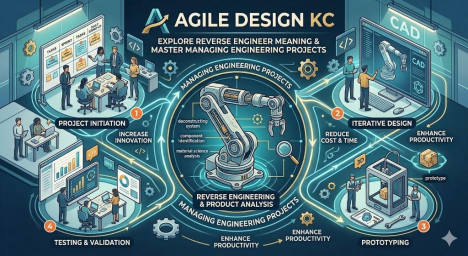
Reverse Engineer Meaning and Managing Engineering Projects Explained
In today’s competitive engineering landscape, innovation and efficiency go hand in hand. Understanding the reverse engineer meaning and effectively managing engineering projects are essential skills for businesses aiming to develop high-quality products while staying ahead of the competition.
Reverse engineering allows teams to analyze existing products, while strong project management ensures smooth execution from concept to completion. Together, these approaches create a powerful framework for successful product development.
What Is the Reverse Engineer Meaning?
The reverse engineer meaning refers to the process of deconstructing and analyzing an existing product or system to understand how it works. This approach is widely used across industries to improve designs, identify issues, and create better solutions.
Key Aspects of Reverse Engineering:
∙ Studying product structure and functionality
∙ Identifying design components and materials
∙ Recreating or improving existing products
∙ Supporting innovation and development
Reverse engineering is not about copying—it’s about learning, improving, and innovating.
The Importance of Managing Engineering Projects
Managing engineering projects involves planning, organizing, and overseeing all aspects of a project to ensure successful delivery. It requires a balance of technical expertise and leadership skills.
Core Elements of Engineering Project Management:
∙ Defining project scope and objectives
∙ Allocating resources efficiently
∙ Monitoring progress and performance
∙ Ensuring quality and compliance
∙ Delivering results within deadlines
Effective project management helps teams stay on track and achieve their goals efficiently.
How Reverse Engineering Supports Project Management
Combining the reverse engineer meaning with managing engineering projects provides several advantages.
Improved Design Insights
Understand existing products to create better designs.
Reduced Development Time
Leverage existing knowledge to accelerate processes.
Enhanced Problem-Solving
Identify and fix issues early in development.
Cost Efficiency
Minimize trial-and-error by using proven concepts.
Better Collaboration
Provide clear insights for team members and stakeholders.
This integration ensures a more efficient and effective development process.
Best Practices for Managing Engineering Projects
To excel in managing engineering projects, it’s important to follow proven strategies. Set Clear Goals
Define objectives and deliverables from the start.
Use Our Methodologies
Adapt quickly to changes and improve flexibility.
Maintain Strong Communication
Ensure all team members stay aligned.
Leverage Technology
Use project management tools for tracking and efficiency.
Conduct Regular Reviews
Monitor progress and make necessary adjustments.
These practices help ensure successful project execution.
Tips for Applying Reverse Engineering Effectively
Understanding the reverse engineer meaning is only the first step—applying it correctly is key.
∙ Start with a detailed analysis of the product
∙ Use advanced tools for accurate measurements
∙ Document findings thoroughly
∙ Focus on innovation rather than duplication
∙ Ensure compliance with legal and ethical standards
These tips help maximize the benefits of reverse engineering in real-world applications.
Conclusion: Drive Innovation with Smart Engineering Strategies
Mastering the reverse engineer meaning and managing engineering projects is essential for businesses looking to innovate and stay competitive. By analyzing existing products and applying structured project management techniques, companies can improve efficiency, reduce costs, and deliver high-quality results.
AGile Design KC provides the expertise needed to navigate complex engineering challenges, offering solutions that combine innovation with precision. Whether you’re developing a new product or improving an existing one, these strategies can help you achieve long-term success.
Frequently Asked Questions (FAQs)
1. What is the reverse engineer meaning?
It refers to analyzing an existing product to understand its design, structure, and functionality.
2. Why is managing engineering projects important?
It ensures projects are completed efficiently, on time, and within budget.
3. How does reverse engineering help product development?
It provides insights that help improve designs and reduce development time.
4. What tools are used in reverse engineering?
Tools like CAD software, 3D scanning, and measurement devices are commonly used.
5. Can reverse engineering be used legally?
Yes, as long as it follows legal and ethical guidelines.